

When Public Buses Collide: What the Hunts Point Crash Reveals About Transit Injury Claims
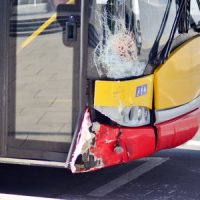
Late on the night of July 30, 2026, two MTA buses collided near East 163rd Street and Hunts Point Avenue in the Longwood section of the Bronx. Police say a Bx6 bus traveling east struck a stationary Bx5 bus, and five passengers were taken to local hospitals. The crash is still under investigation, but it has already reminded many Bronx commuters of an uncomfortable truth: riding public transportation carries risks that most people never think about until something goes wrong.
For the passengers on board, the physical toll may not be fully known for days or weeks. Whiplash, soft tissue injuries, and concussions from sudden stops or impacts often surface only after the adrenaline of the moment wears off. What passengers may not realize right away is that a crash involving an MTA vehicle triggers a very different legal process than a crash between two private drivers.
Why Transit Authority Claims Move on a Faster Clock
When a private driver causes an accident, an injured person generally has three (3) years to pursue a claim. That is not the case when a public entity like the Metropolitan Transportation Authority is involved. New York law requires anyone with a personal injury claim against a municipal corporation or public authority to file a formal Notice of Claim before a lawsuit can even be filed. This notice must typically be served within ninety days of the incident, a fraction of the time allowed in an ordinary negligence case.
The notice has to include specific details: the claimant’s name and address, the nature of the injury, and the time, place, and manner in which the accident occurred. Missing this window, or filing a notice that leaves out required information, can jeopardize a person’s ability to recover compensation altogether, regardless of how clear the transit authority’s fault may be.
Layers of Investigation in a Multi-Vehicle Transit Crash
A two-bus collision like the one in Longwood also raises questions that a typical fender bender does not. Was the operator following proper following distance and speed protocols? Was either vehicle experiencing a mechanical issue? Were maintenance records up to date? Answering these questions often requires access to internal MTA incident reports, maintenance logs, and driver personnel files, information that generally is not available to the public and must be requested through the claims process itself.
Because these records can be difficult to obtain and even easier to lose track of once time passes, passengers who were injured are often encouraged to document what they experienced as soon as possible. Photos of the scene, a written account of the sequence of events, and prompt medical treatment can all become important pieces of a future claim, even before anyone has decided whether to pursue one.
Moving Forward After a Transit Injury
Crashes involving public buses are not uncommon in a city where millions of trips happen every single day, but the legal path afterward is anything but routine. Anyone hurt while riding public transportation deserves a clear explanation of the deadlines and evidence that matter most in the weeks after an incident like the one in the Bronx.
Our NYC bus accident attorneys at Jaroslawicz & Jaros have spent decades helping injured passengers navigate claims against public transit agencies, and we are ready to talk through what happened and what comes next. If you have been injured in a wreck, reach out to Jaroslawicz & Jaros for a free consultation.
Sources:
nysenate.gov/legislation/laws/GMU/50-E
abc7ny.com/post/2-mta-buses-collide-injuring-bronx/19605775/